
Product category
Continuous Emission Monitoring System
CEMS for power plants, palm oil mills, cement and incinerators: dust, opacity and gas analyzers with DAS/DIS reporting. Supplied by LKS in Malaysia.
30 products
All products30 Continuous Emission Monitoring System products
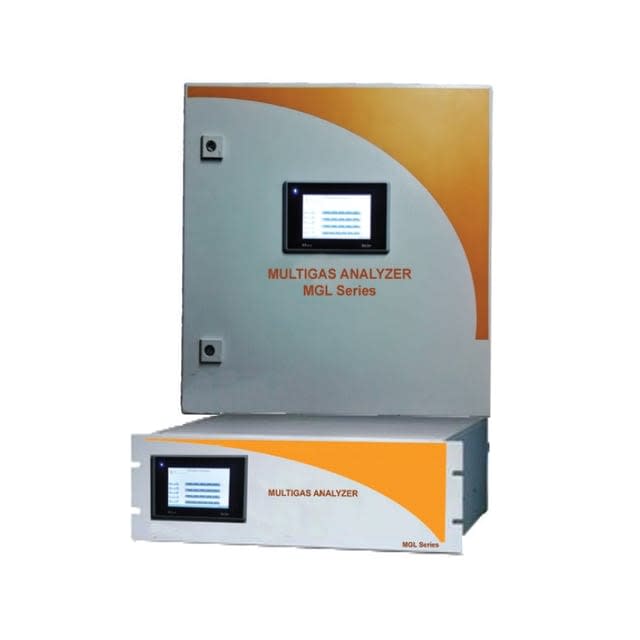 Multigas AnalyzerUV DOAS Gas AnalyzerView details
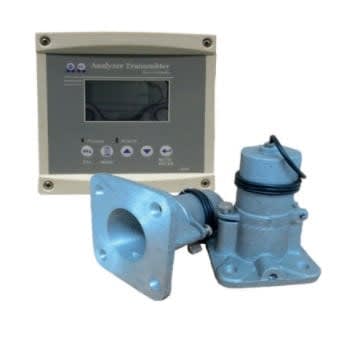 Dust & Opacity AnalyzersDust & Opacity Analyzer (Single Pass)View details
 Dust & Opacity AnalyzersBackscatter Light Dust Monitor D10.8View details
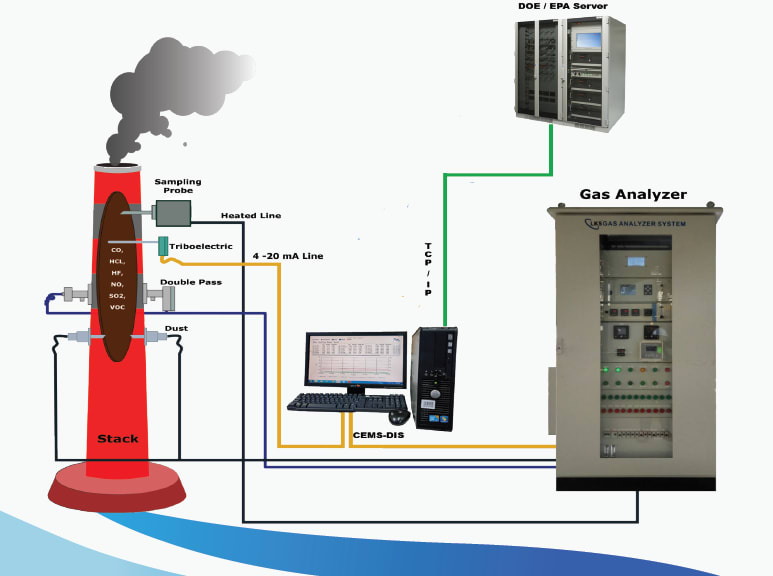 Full SystemCEMS for Cement PlantsView details
 Continuous Emission Monitoring SystemCEMS AccessoriesView details
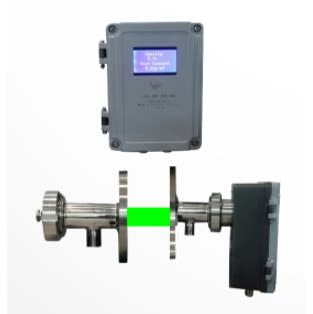 Dust & Opacity AnalyzersDust & Opacity Analyzer (Double Pass) D10.12View details
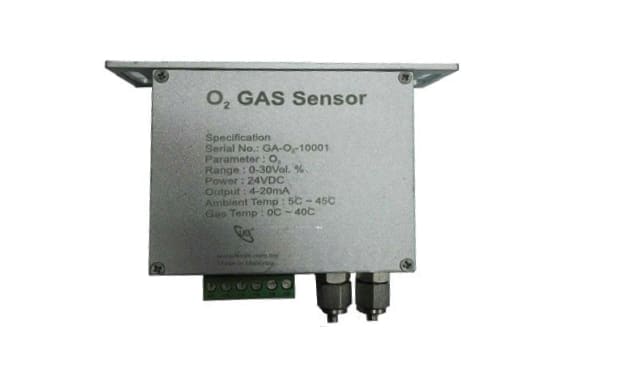 Multigas AnalyzerElectrochemical Gas AnalyzerView details
 Dust & Opacity AnalyzersExtractive Dust Monitor DM10.14EView details
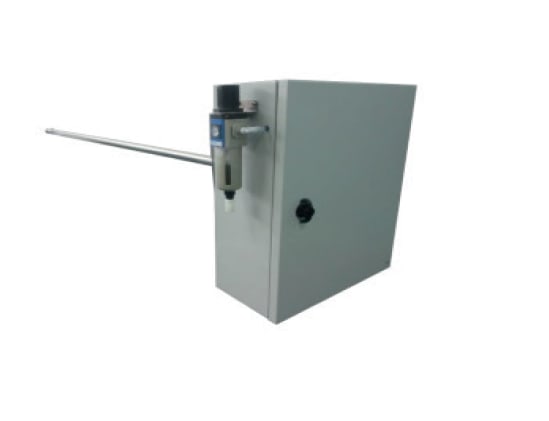 Other flow metersFlue Gas Flow Meter PFT-100View details
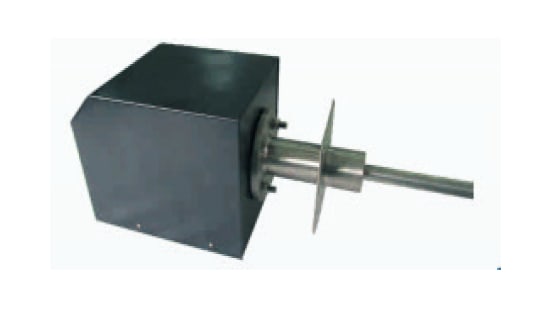 Continuous Emission Monitoring SystemHumidity Analyzer H-100View details
- Full SystemCEMS for Iron and Steel Mills (Ferrous Metals)View details
- Full SystemCEMS for Iron and Steel Mills (Non-Ferrous Metals)View details
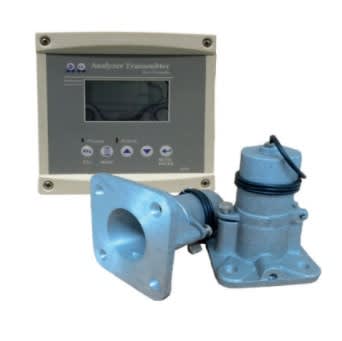 Dust & Opacity AnalyzersLaser Dust & Opacity Analyzer (Single Pass) D10.3LSView details
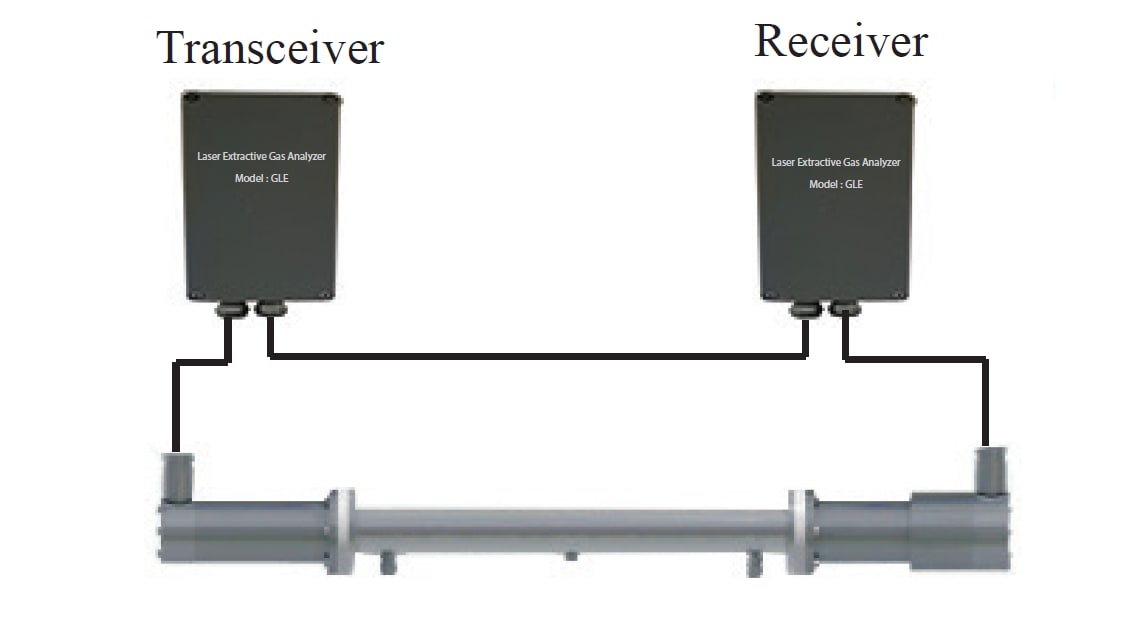 Single Parameter Gas AnalyzerLaser Extractive Gas AnalyzerView details
 Single Parameter Gas AnalyzerMercury Gas AnalyzerView details
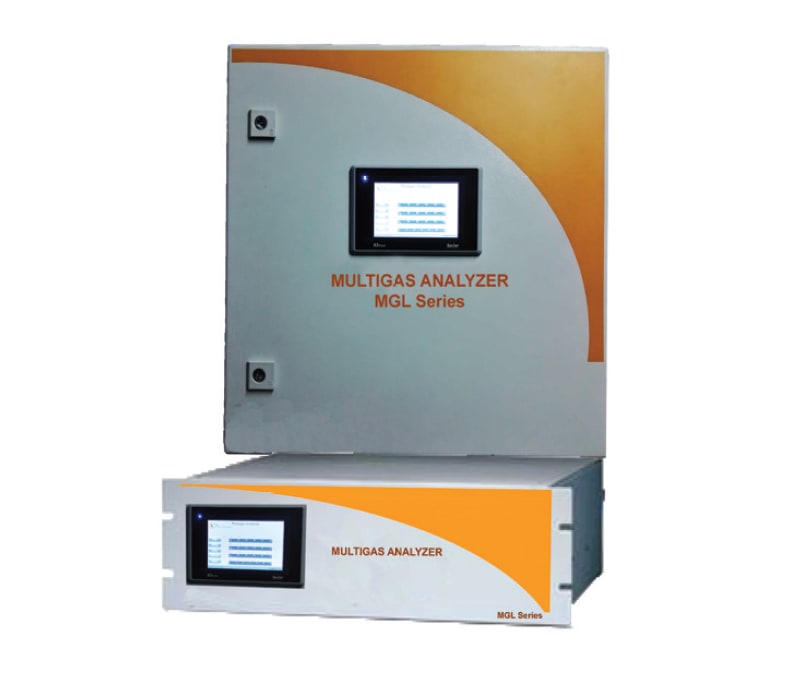
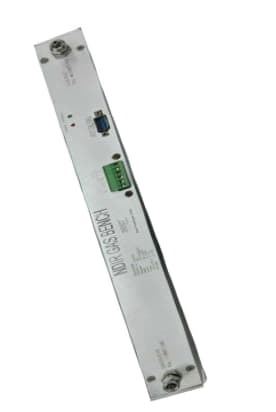 Multigas AnalyzerNDIR Gas Analyzer MGL SeriesView details
- Full SystemCEMS for Non-Metallic IndustriesView details
- Full SystemCEMS for Oil and Gas RefineriesView details
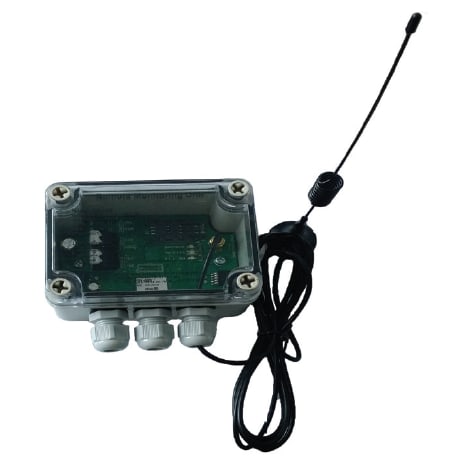 Remote Monitoring UnitsCloud Monitoring System CLOUD 4.0View details
 Full SystemCEMS for Palm Oil MillsView details
About this range
Continuous Emission Monitoring System
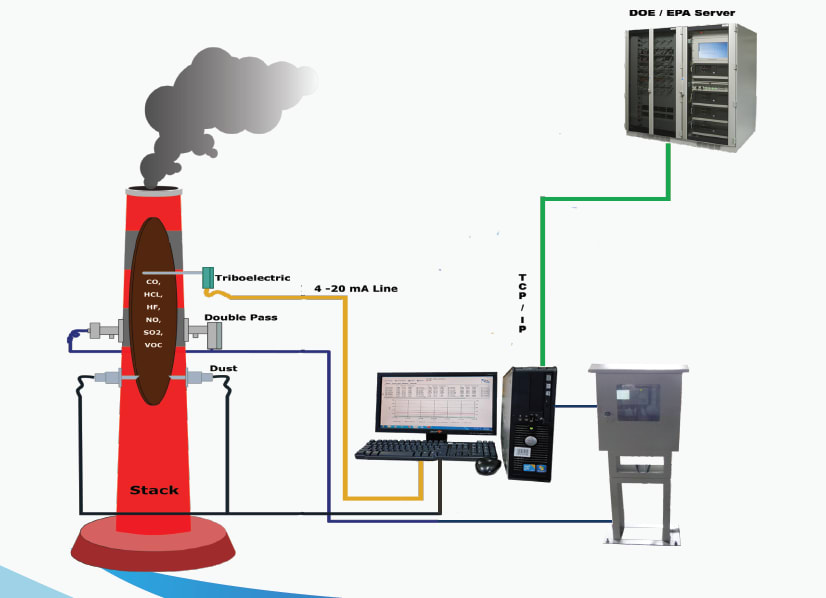
A continuous emission monitoring system (CEMS) measures the gases and particulates leaving a stack around the clock and records the data a plant needs to control its process and report pollutant emissions. Operators of boilers, kilns, furnaces and incinerators use CEMS to track SO2, NO2, CO, dust and opacity against Department of Environment (DOE) limits. LKS (M) Sdn. Bhd. supplies, installs and maintains continuous emission monitoring systems for industrial sites across Malaysia.
Explore the range
Types
- Dust & Opacity Analyzers: in-situ and extractive monitors for particulate emissions, using laser scattering, transmittance or triboelectric measurement.
- Multigas Analyzer: NDIR, UV DOAS and TDLAS analyzers that measure several flue gas components in one instrument.
- Single Parameter Gas Analyzer: dedicated analyzers for one target, such as mercury or volatile organic compounds.
- Remote Monitoring Units: units that collect analyzer signals and send the readings to a cloud or central server.
- Full System: engineered CEMS packages for a specific industry, combining extractive and in-situ analyzers with a data acquisition system (DAS) and data interface system (DIS).
Featured systems include CEMS for palm oil mills, CEMS for power plants and CEMS for waste incinerators. Supporting equipment such as the PFT-100 flue gas flow meter, the H-100 humidity analyzer and CEMS accessories such as heated probes and sample gas coolers complete the measurement chain.
Applications
- Power plant boilers and combustion turbines
- Palm oil mills, rice mills, sugar mills and saw mills with biomass boilers
- Cement kilns, glass, ceramic and other non-metallic furnaces
- Iron and steel mills and non-ferrous metal production
- Oil and gas refineries
- Waste incinerators
How to choose
- Start from the parameters you must report: dust and opacity only, or gases such as SO2, NO2, CO, HCl and HF.
- Check stack conditions, especially moisture, dust load and temperature, which decide between extractive and in-situ measurement.
- Confirm how data must reach the authority through the DAS and DIS.
Our engineers in Shah Alam help select, install, calibrate and maintain each emission monitoring system so its data stays reliable. Contact LKS for a system proposal or quotation.
- Supply & selection advice
- Installation & commissioning
- On-site calibration
- Maintenance & support
Get in touch
Need a quote or technical advice?
Tell us about your application and our engineers will recommend the right instrument or system.
- 01Share your applicationProcess, medium, range and site conditions.
- 02Engineer recommendationWe match the right instrument or system to your process.
- 03Quotation and supportSupply, installation, calibration and after-sales service.