On this page
Key takeaways
- A CEMS measures what leaves a stack around the clock and provides the data for regulatory control, monitoring and reporting.
- Most systems combine gas analyzers, a dust or opacity monitor and a data acquisition or remote monitoring unit.
- Choose analyzers for the gases you must report and the stack conditions, such as moisture and dust.
- Automatic zero and reference checks plus routine maintenance keep the data valid.
What a CEMS does
A continuous emission monitoring system measures pollutants in the flue gas of a combustion or process plant without interruption. Its job is to provide reliable data for regulatory control, monitoring and reporting of emissions. In Malaysia, premises covered by the Environmental Quality (Clean Air) Regulations 2014 may be required to monitor their emissions continuously.
The main building blocks
- Gas analyzers measure gases such as SO2, NOx, CO, CO2 and O2. A multigas analyzer covers several components in one instrument; a single-parameter analyzer focuses on one.
- Dust and opacity monitors measure particulate emissions, the most visible part of what leaves a stack.
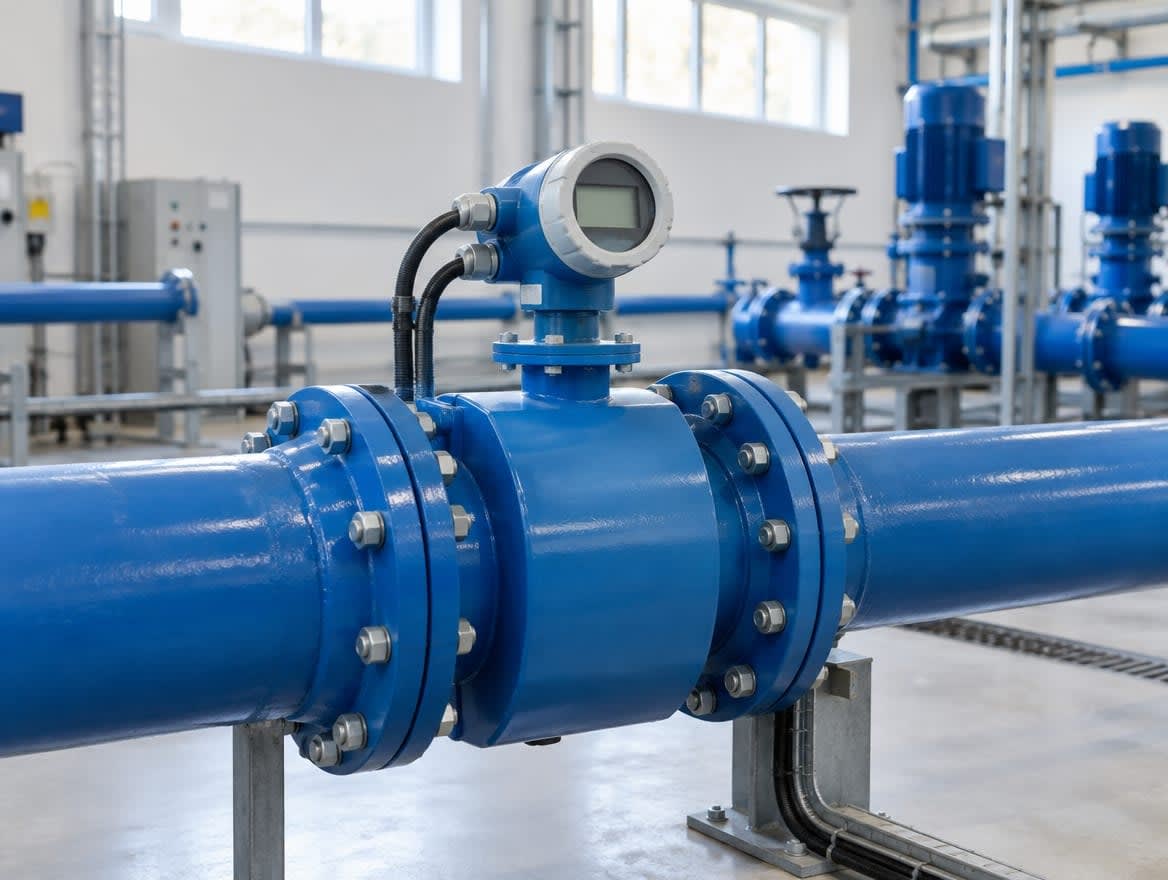
- Flue gas flow measurement turns concentrations into mass emissions when the regulations ask for loads, not just concentrations.
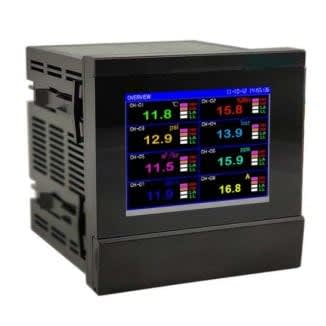
- Data acquisition and remote monitoring units record, store and share readings so the plant and, where required, the authorities can see them.
Choosing gas analyzers
Start from the gases you must report, then look at the stack conditions. Moisture and dust are the usual troublemakers.
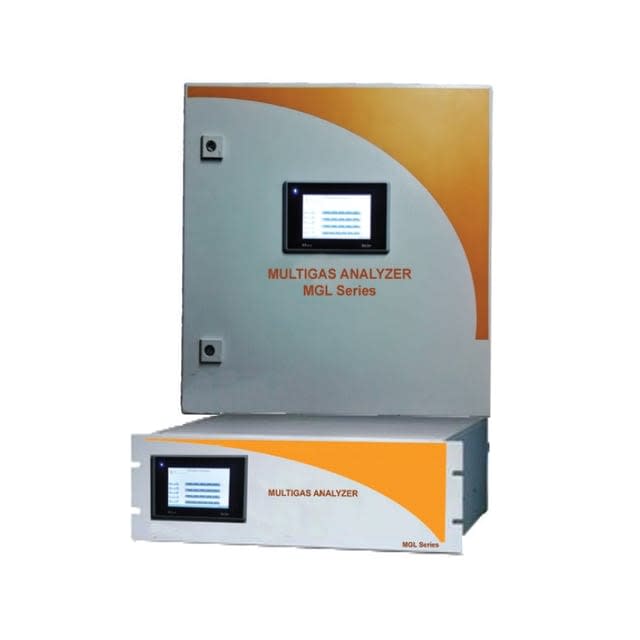
Our UV DOAS gas analyzer (MGL Series) is one example. It measures SO2, NO, NO2, O2, NH3, CO, CO2 and more using ultraviolet differential optical absorption spectroscopy. Ultraviolet light is not absorbed by moisture, so readings are not disturbed by water vapour or dust, NO and NO2 are measured at the same time without a converter, and there are no optical moving parts to wear out.
Measuring dust reliably
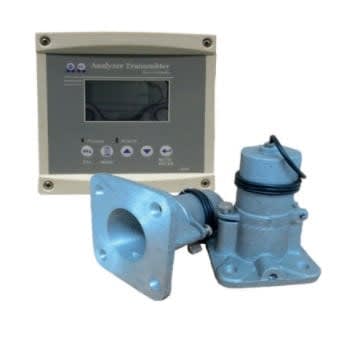
Dust concentrations can swing widely between start-up, normal running and upsets. The Dust & Opacity Analyzer D10.3 combines transmittance with forward scattered light, so it covers very low to high concentrations. Automatic self-alignment keeps the measuring beam on target, and automatic checks of the zero and reference points catch drift before it reaches your reports.
Keeping the data defensible
- Automatic checks: zero and reference (span) checks show the analyzer is still telling the truth.
- Contamination monitoring: optics on the stack get dirty; monitors that detect and compensate for it need less manual cleaning.
- Routine maintenance and calibration: a written schedule and records turn readings into evidence.
- Secure data handling: remote monitoring units with cloud sharing make the data available without site visits.
Which plants typically need one
Coal and gas-fired power plants, cement plants, palm oil mills with biomass boilers, iron and steel mills, waste incinerators, refineries, petrochemical plants, and sugar, rice and saw mills with combustion processes. If your plant has a stack and an emission limit, a CEMS is worth a conversation.